
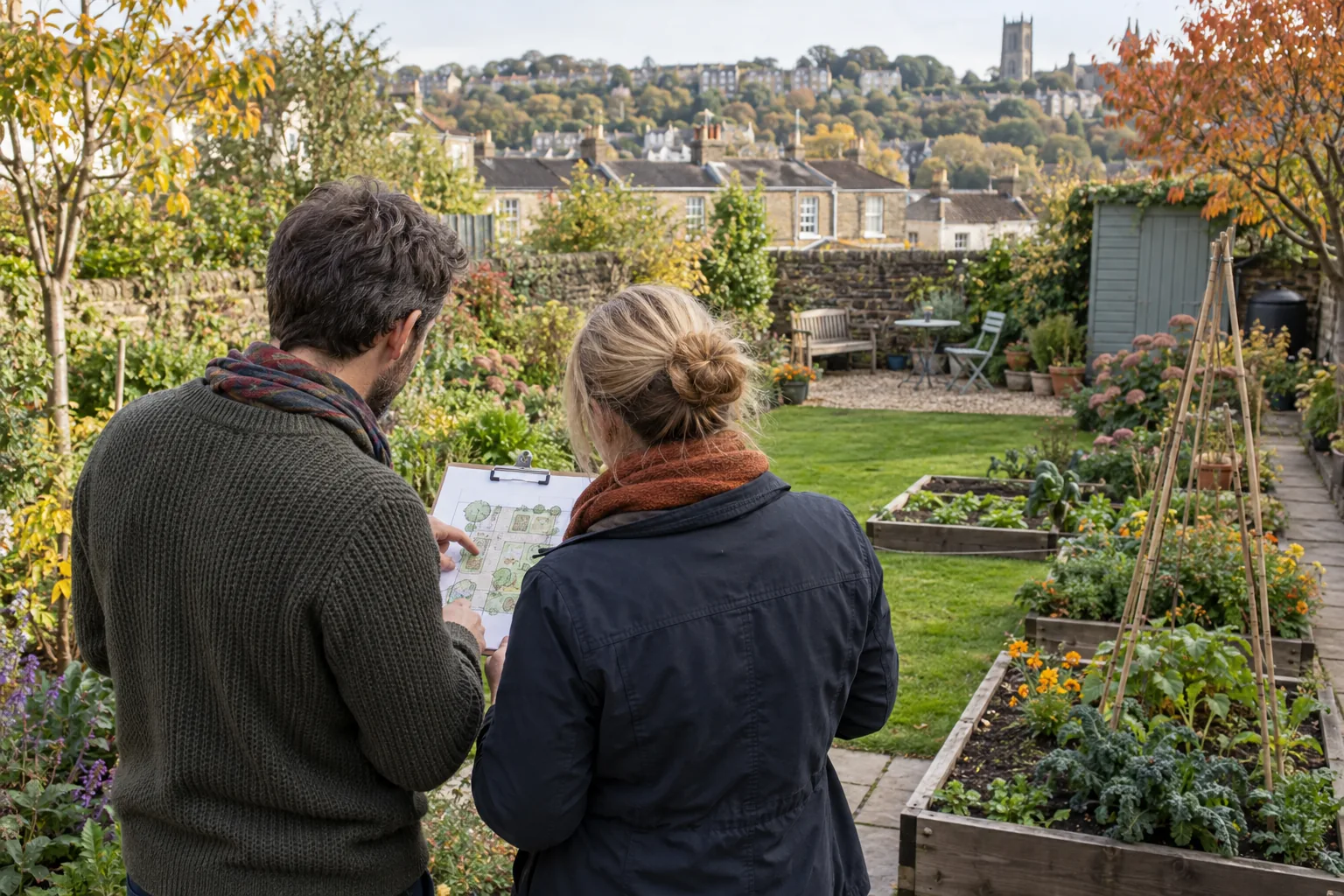
A shared garden can look after itself only when everyone understands what “looked after” means. One neighbour may want a neat lawn, another may value long grass for wildlife, and a third may simply need a clear route to the bins. Without a written plan, the most enthusiastic resident often becomes responsible for everything while small problems quietly grow. A useful maintenance plan makes the space, jobs and decisions visible to all who use it.
This applies to a communal courtyard, a small block of flats, a housing co-operative or a neighbourhood plot. The exact ownership and management arrangements differ, so establish who can approve work and spending before changing the site. The plan itself can be short: a map, seasonal task list, named contacts and a way to record what has been done.
Agree what the space is for
Begin with a walk round together. Ask what people use the garden for now and what they need it to do over the next year. Access, seating, growing food, play, privacy and habitat may all matter. Mark essential routes and areas that must remain clear for deliveries or maintenance. Note any features that should be retained, including mature trees, established planting and places valued by residents.
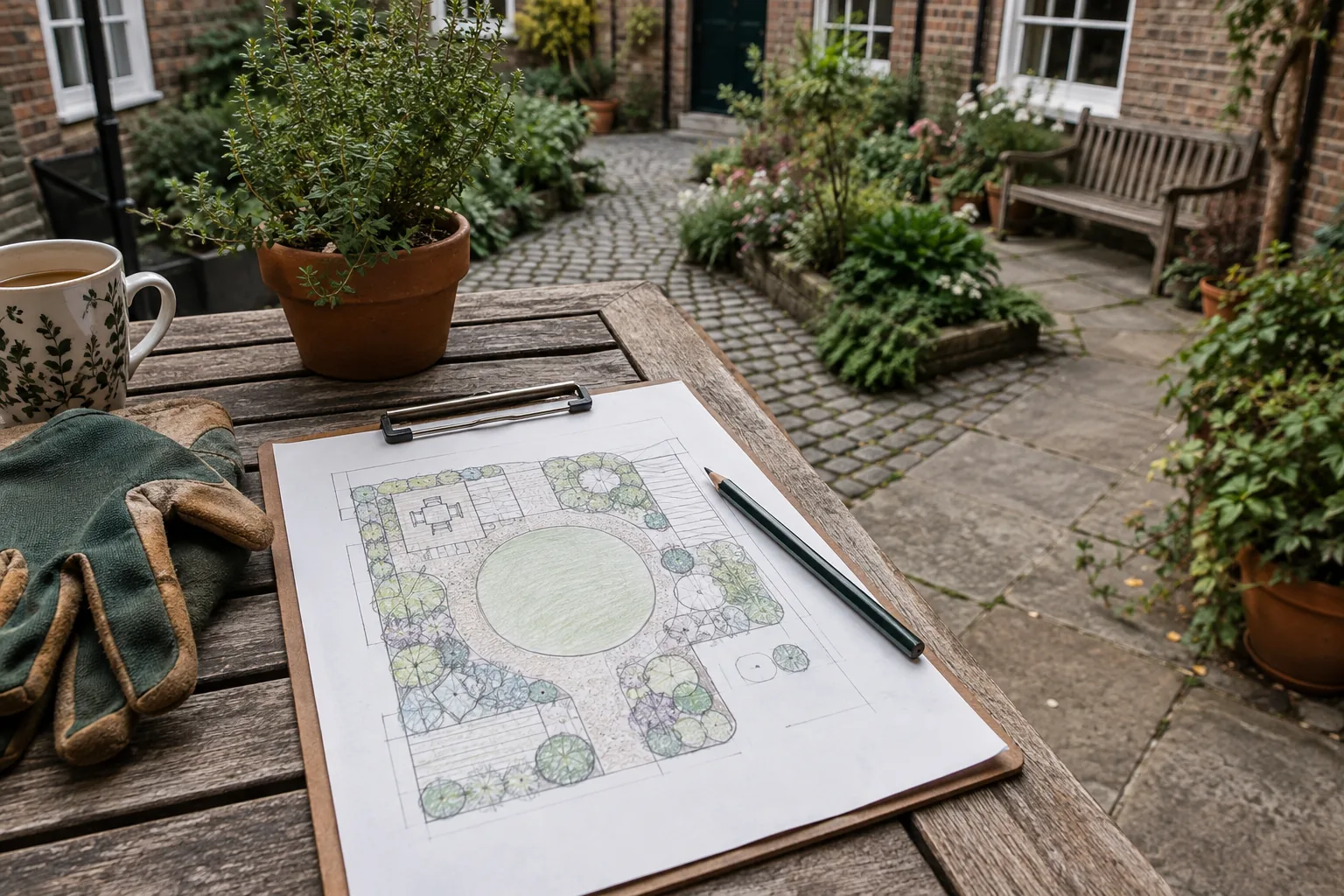
Take photographs and draw a simple plan showing beds, lawn, paving, containers, water points, storage and drains. Record obvious hazards such as loose edging, slippery steps and branches blocking a route. A garden with several users needs a clear way to raise these issues and decide who handles them. Do not ask volunteers to undertake specialist tree, electrical or structural work simply because it appears on a gardening list.
Agree a standard of care in ordinary language. “Keep paths safe and clear” is more actionable than “keep the garden tidy”. Specify whether a planted border should look formal or natural, whether some lawn can be left longer, and how much seasonal leaf cover is acceptable away from routes. That prevents repeated arguments after someone has put in time and effort.
Divide jobs by frequency and skill
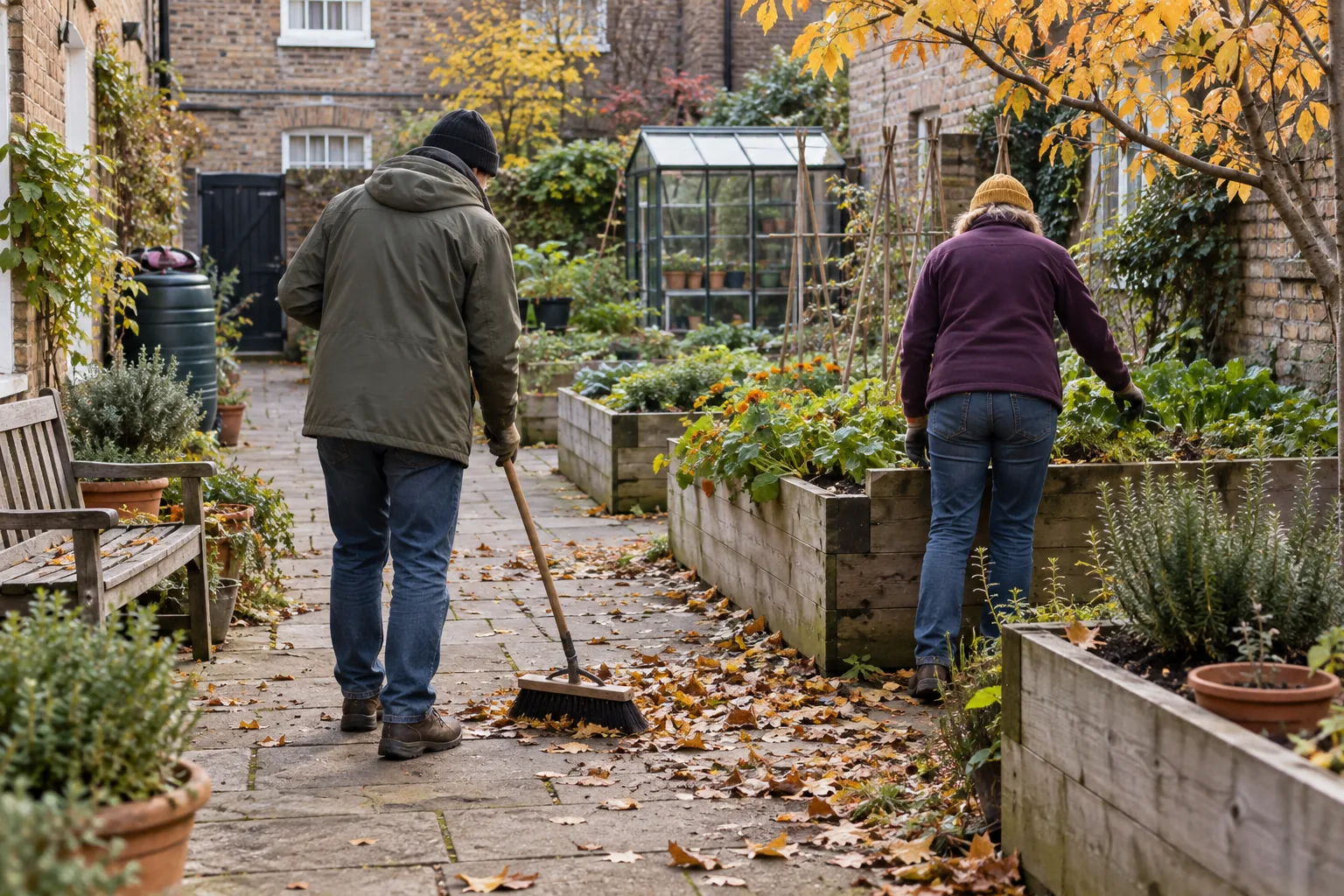
Make three columns: frequent tasks, seasonal tasks and occasional projects. Frequent work may include litter collection, watering new planting, sweeping key paths and checking bins or drains. Seasonal work may involve mowing, mulching, weeding, leaf clearance and plant-specific pruning. Occasional projects include replacing failed shrubs, repairing a path or changing a bed layout. The RHS offers a month-by-month gardening planner that can help groups place gardening work through the year.
Write the condition that triggers a job as well as a rough month. Grass growth depends on weather, and a dry spring may bring watering forward. A path should be cleared when slippery leaves build up, not simply on the first Monday of November. For pruning, identify the plant and its proper window rather than scheduling one blanket cut for every shrub.
Give each task a realistic time estimate and note the tools required. A fifteen-minute litter check is different from a half-day hedge cut. Mark jobs that need two people for safe lifting or visibility. Assign a lead person or service provider and a backup; otherwise work may stop during holidays or when a volunteer moves away. Our garden maintenance service can be scoped around jobs that need predictable visits while residents retain manageable tasks.
Set a decision and spending process
Shared gardens often fail through uncertainty over authority rather than lack of goodwill. Decide who may approve routine purchases, how larger changes are proposed and where receipts or quotations are kept. A modest annual budget should include plants, compost or mulch, tools, waste handling and an allowance for unexpected repairs. Agree whether the group provides tools or volunteers bring their own.
Keep a short list of agreed work and pending decisions in one place accessible to the relevant residents. A shared notebook, noticeboard or simple online document can work. Record the date, task, who did it and any follow-up. Photographs help explain changes to people who were absent. Avoid storing unnecessary personal details in a public area; the practical gardening record needs only enough information to coordinate work.
If the garden is managed by a landlord, residents’ association or another body, confirm its rules before installing beds, cutting trees or booking contractors. Some tasks may require approval or a qualified specialist. Put that contact route in the plan so a volunteer does not have to guess who to call when a drain blocks or a wall moves.
Build a year-round rhythm
In spring, review winter damage, start weeding before plants spread and check irrigation or hose access. Reassess any new planting and plan summer watering cover. During the main growing season, mowing and path clearance may be frequent, while planting tasks depend on weather. The RHS monthly advice is a useful prompt, but the actual schedule should reflect the garden’s plants and use.
In autumn, clear slippery routes, gather suitable leaves for compost or leafmould where there is space, and check that drains stay open. Leave appropriate shelter in planted areas rather than stripping every bed bare. Winter may allow structural inspection, tool care and planning, while some pruning waits until after flowering or early spring. A quiet season is also a chance to review costs and gather suggestions from users.
Make the plan flexible. A heatwave or prolonged wet spell can change what is safe and useful to do. RHS advice for community gardeners during extreme heat emphasises conserving water and caring for the people doing the work. Shorter tasks, shade and sensible timing matter as much as plant care. The group should be comfortable postponing work that would damage wet soil or put volunteers at risk.
Review whether the plan is fair
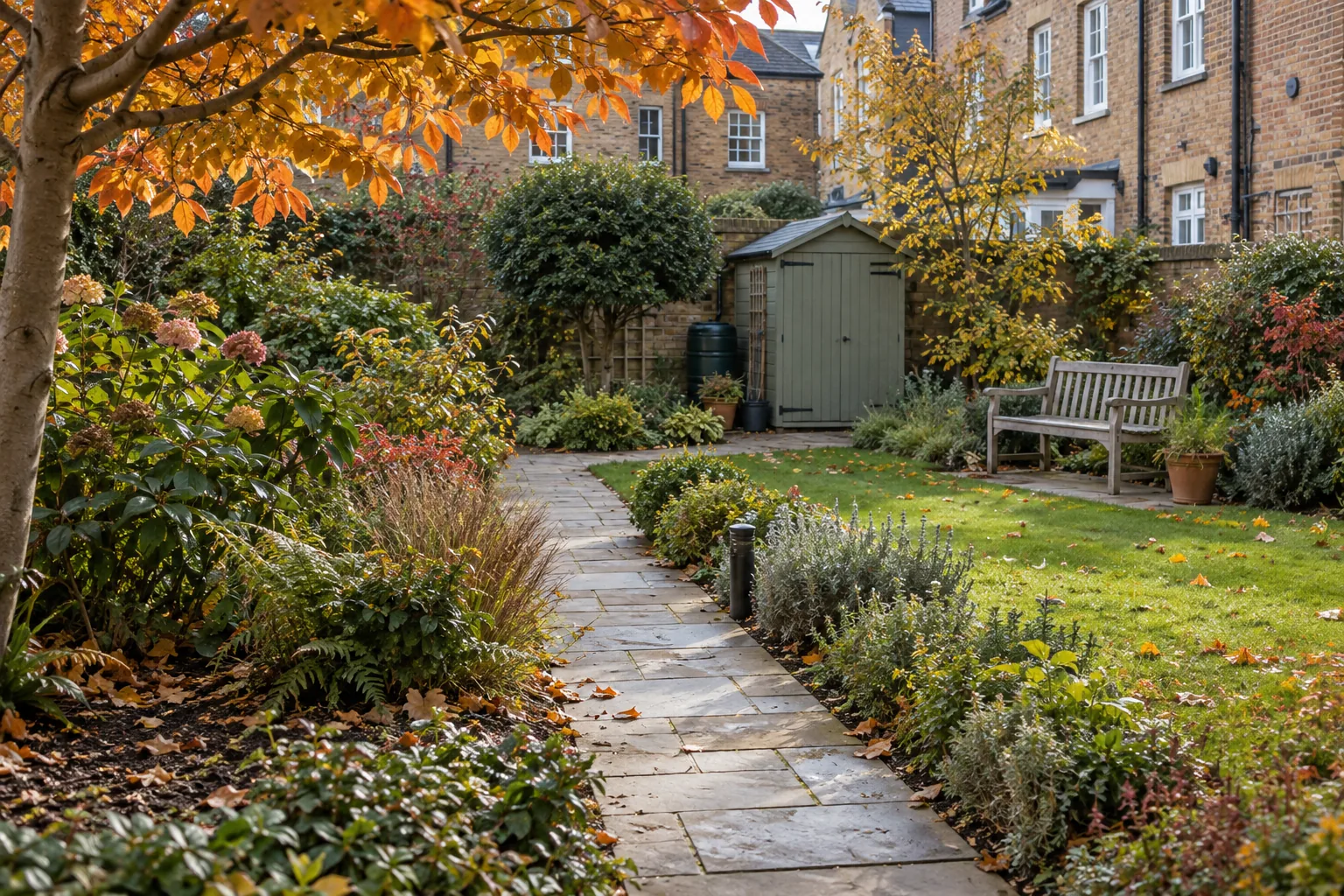
After a few months, compare the list with what actually happened. Did watering rely on one neighbour? Was waste disposal more expensive than expected? Are some tasks being repeated because the underlying problem was never fixed? Adjust responsibilities and the budget rather than treating the first plan as permanent.
Invite different users to comment, including people who cannot volunteer physically but use the space. They may notice that a route is blocked, a bench is inaccessible or planting reduces light to a doorway. Make it easy to raise practical concerns without joining every gardening session. A shared garden succeeds when its care reflects all legitimate uses, not only the preferences of its most active gardeners.
For an overgrown starting point, an agreed one-off reset can make regular care possible; our garden clean-up service can clarify what is removed, retained and left for later work. Then keep the maintenance plan simple enough to use. A clear map, named responsibilities, a seasonal rhythm and a short record turn good intentions into a garden that stays welcoming throughout the year.